

Inflammation has, in recent years, become one of the sport-nutrition world’s most dreaded terms. A quick stroll through social networks or tuning into any fitness podcast shows that everything labeled as “anti-inflammatory” automatically seems good, while anything that sounds like inflammation is seen as something to eradicate at all costs.
Green shakes, turmeric, ginger, berries, magical seeds, exotic extracts… an entire industry has organized itself around the idea of dousing internal flames, as if the body were a faulty machine whose natural response to effort was, outright, pathological. Yet, from a physiological standpoint, this logic is deeply wrong. Inflammation is not the enemy. Inflammation is, in fact, one of the body’s most intelligent tools for adapting to stress.
Without inflammation there would be no regeneration. Without regeneration there would be no adaptation. And without adaptation there would be no improvement in performance. All of this rests on one of the training principles we have discussed many times in this section, known as the “principle of supercompensation.” The problem, as is usually the case, lies not in the process but in its uncontrolled, prolonged, or poorly modulated expression. And that is where nutrition, properly understood, plays a decisive role.
Inflammation: a response, not a pathology
Biologically, inflammation is a defensive response. It involves a cascade of hormonal, immune, and metabolic events whose purpose is not to cause damage but to repair, adapt, and protect.
WHEN YOU TRAIN:
It is important to bear in mind that for mountain runners, environmental conditions amplify all of these factors. That is not a problem. It is precisely the stimulus that triggers the subsequent adaptation. The classic supercompensation curve is simply the practical translation of this process. First there is an assault (catabolism), then a controlled inflammatory response, and finally a regeneration that does not return the body to its previous state, but lifts it one notch higher. IF THERE WERE NO INFLAMMATION:
Inflammation is one of the most intelligent tools the body has to adapt to stress. Without inflammation there would be no regeneration. Without regeneration there would be no adaptation. And without adaptation there would be no improvement in performance.
INFLAMMING IS NOT DISEASE
Getting sick is not knowing how to resolve an inflammation that has been poorly managed. Something that also happens quite often, given that poorly managed training, training not supervised by a professional, or minimal or non-existent rest, combined with the “no pain, no gain” or “the more, the better” ethos, lead to unwanted inflammation that people try to palliate by starting with patches: nutritional fixes.
ANTIINFLAMMATORY DOES NOT MEAN BETTER PERFORMANCE
Here begins one of the most common errors in modern sports nutrition: assuming that if something is anti-inflammatory, it automatically improves performance. Not always. In fact, there are athletic contexts in which excessive inhibition of the inflammatory response can interfere with normal adaptive mechanisms. Inflammation, like everything in physiology, must be proportional and contextual. IT IS NOT THE SAME:
IT IS NOT THE SAME:
Reducing all inflammation without differentiating its origin is like taking thermogenic medications for any fever: you silence symptoms without understanding the processes.
ANTIINFLAMMATORY FOODS: YES, BUT WITH CONTEXT
Indeed: there are nutrients with a clear modulatory effect on inflammation. They are not magic, but they are useful tools:
POLYPHENOLS AND ANTIOXIDANTS:
Red fruits, citrus, leafy green vegetables, pure cocoa, tea, extra-virgin olive oil… They provide bioactive compounds that:
OMEGA 3:
Fatty fish, some seeds and nuts have a real impact on:
CREATINE:
Beyond its gym-related fame or its ergogenic capacity in a strength context, creatine:
All this is physiologically solid and scientifically defensible. But with one condition: they do not act in isolation. No anti-inflammatory nutrient offsets a base inflammatory diet.
Equally important is what you add as what you remove
Talking about anti-inflammatory nutrition is not only about adding “good” products. It is, above all, about eliminating the constant disruptors of metabolic balance. Chronic inflammation rarely arises from a turmeric deficit. IT ARISES BECAUSE OF:
A runner who breakfasts on ultraprocessed foods, eats late and poorly, has a heavy dinner, and drinks alcohol on weekends, does not “compensate” for anything by adding berries in the morning.
Inflammation is not cancelled out by overlap. It is corrected by consistency. A proper diet acts as solid ground. Fine anti-inflammatory compounds function as adjustments, not lifeboats.
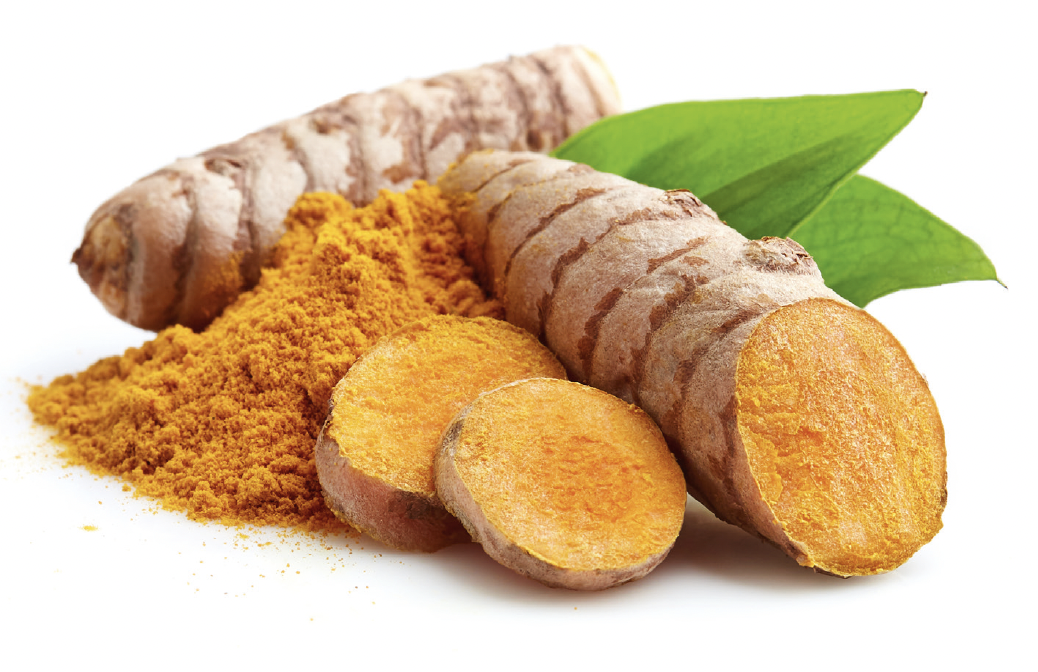
Turmeric: neither miracle nor poison
Few spices have been so glorified as turmeric. It is attributed anti-inflammatory, antioxidant, analgesic, regenerative properties. And it is not untrue. But it is not absolute. The curcuminoids do have real capacity to inhibit certain pro-inflammatory pathways. THIS CAN BE USEFUL:
But here is the part that bothers marketing: suppressing inflammation is not always a good idea. There are studies suggesting that excessive suppression of inflammation can interfere with muscle adaptation, reduce mitochondrial signaling, diminish hypertrophic response, and alter normal regeneration processes. Simply put: turning off the alarm constantly may prevent the body from learning.
Turmeric is not a daily system-wide supplement. It is a contextual tool, not a fixed habit. In fact, linked to the list of ergogenic aids (substances that can improve performance when taken above usual doses) established by the AIS (Australian Institute of Sport), turmeric is not among those with a category A rating. Only those with that category meet the requirements of demonstrated efficacy, safety, and support from sufficient scientific literature.
So what do we do as runners?
Very simple. Think with physiological bases and as a healthcare professional would, not as a marketing slogan.
1. BUILD A STRUCTURALLY SOUND DIET:
2. REDUCE BASELINE PROINFLAMMATORY COMPOUNDS:
3. INTRODUCE REGULATORY FOODS: Not for fashion, but for function:
4. USE ERGOGENIC AIDS WISELY:
Creatine, turmeric, or antioxidants are not magic pills. They are tools that, depending on the context, can help supplement the foundation.
5. DO NOT FIGHT AGAINST INFLAMMATION… LEARN TO MANAGE IT.
Inflammation is not the enemy. Loss of control is.
The healthy runner is not the one who inflames less, but the one who, hormonally speaking, manages that situation better.
This is probably the most important idea to internalize. It is not about reducing every inflammation. It is about better repairing, tolerating more load, recovering faster, and adapting more structures.
Inflammation is a signal, one that the coach and the athlete should use to manage workloads and rest, adapt training, and decide whether to dampen or accelerate the condition. Nutrition is the modulator. Neither demonize nor romanticize: understand.
Conclusion: when turning off the fire turns off the flame
Anti-inflammatory nutrition is not about fleeing the flames, but about preventing them from spiraling out of control. It is not about silencing what the body does well, but about preventing it from doing so out of context, because without inflammation there is no adaptation and without adaptation there is no improvement.
