
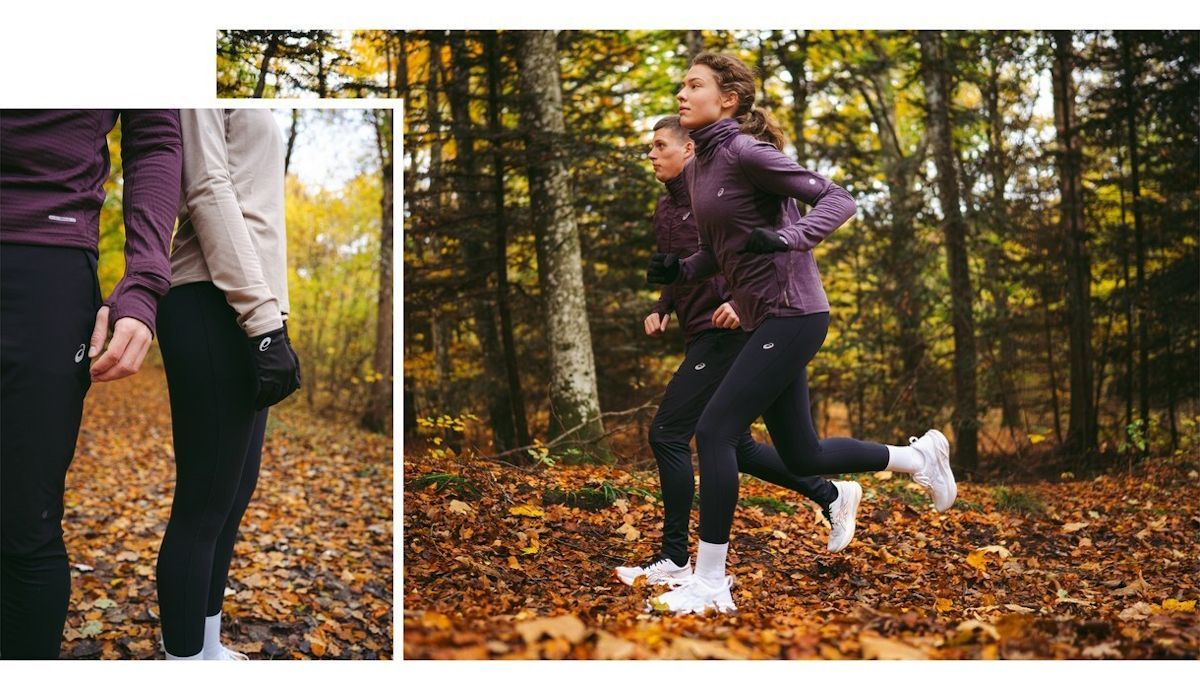
With a few adjustments, the colder months can be among the most rewarding for training. There are tricks as simple as changing where you store your shoes or how you dry them when you get home, and you notice the benefits from your very first outing. Here are the tips!
What changes for an everyday runner when winter arrives?
These are the changes that stand out the most as the temperatures drop.
How to adapt your training to winter?
In winter you can keep covering the same number of kilometers as during the rest of the year. What changes is how you start. Many pulls and overuse injuries from this season happen in the first minutes, when you step out with a cold body and immediately settle into your usual pace. A few tweaks at home and during the run help prevent it.
Preparation before heading out to run in the cold
How to adjust your pace and route
Which running shoes to use in autumn and winter?
In winter two things matter the most: keeping the foot dry and ensuring the sole grips on wet surfaces. That’s why many asphalt runners turn to trail-style models at this time, which have better ground grip, even if most of their runs are in the city. When selecting running shoes, pay attention to water protection and the tread pattern.
|
Model |
Water protection |
Traction |
Ideal for |
Estimated price |
|
Tenth Topogrip Elite Waterproof 20K |
Waterproof membrane |
High-adhesion lug outsole |
Rain and muddy trails |
Between 75 and 80 € |
|
Tenth Topogrip 2 |
No membrane, more breathable |
High-adhesion lug outsole |
Earth and cold but dry days |
Between 55 and 60 € |
|
Adidas Tracerocker 2.0 GORE-TEX |
GORE-TEX membrane |
Traxion rubber outsole |
City and trail with rain |
Between 65 and 70 € |
|
New Balance 410 v9 |
No membrane, more breathable |
AT Tread outsole for asphalt and dirt |
Mixed runs on dry ground |
Between 75 and 80 € |
Waterproof running shoes with Gore-Tex
Gore-Tex is a membrane placed between the outer fabric and the inner lining of the shoe. Its pores are thousands of times smaller than a drop of water, yet larger than water vapor. That is why it blocks rain and puddles while letting moisture from the foot escape.
Many trail models include this technology, such as the Adidas Terrex shoes, designed to keep your feet dry as you switch from pavement to trail.
Outsole grip for wet pavement and dirt
On dirt and mud, the pronounced, spaced studs perform best, biting into the terrain and shedding mud as you lift your foot. On wet pavement, the rubber compound matters more; it should be soft and sticky.
The Tenth Topogrip Elite Waterproof 20K and the Topogrip 2 combine both features, with a lugged sole and a high-adhesion compound designed to prevent slipping on wet surfaces.
If a single run takes you from asphalt to trails, a mixed sole like the New Balance 410 v9 is worth considering, designed to grip both terrains.
Is it worth alternating two pairs according to the weather?
Yes, especially if you go out several times a week. A soaked shoe takes one or two days to dry completely, and if you wear it while still wet it can deform in advance.
A study published in 2015 in the Scandinavian Journal of Medicine & Science in Sports found that runners who used several pairs alternately had a 39% lower risk of injury than those who always ran with the same pair.
Reserve the waterproof pair for rainy days. The membrane breathes less than a normal mesh, so on dry days you’ll only cause your foot to sweat more.
Tips for running in the rain without ruining your shoes
With these habits, your pair of shoes will last through more than one winter in good condition.
With a proper warm-up and the right shoes, winter can be the season in which you make the most progress. If your current pair no longer protects you from rain or tends to slip at every turn, it’s a good time to look at models with a waterproof membrane or with a lugged sole, and arrive at spring with more kilometers and fewer surprises.
