
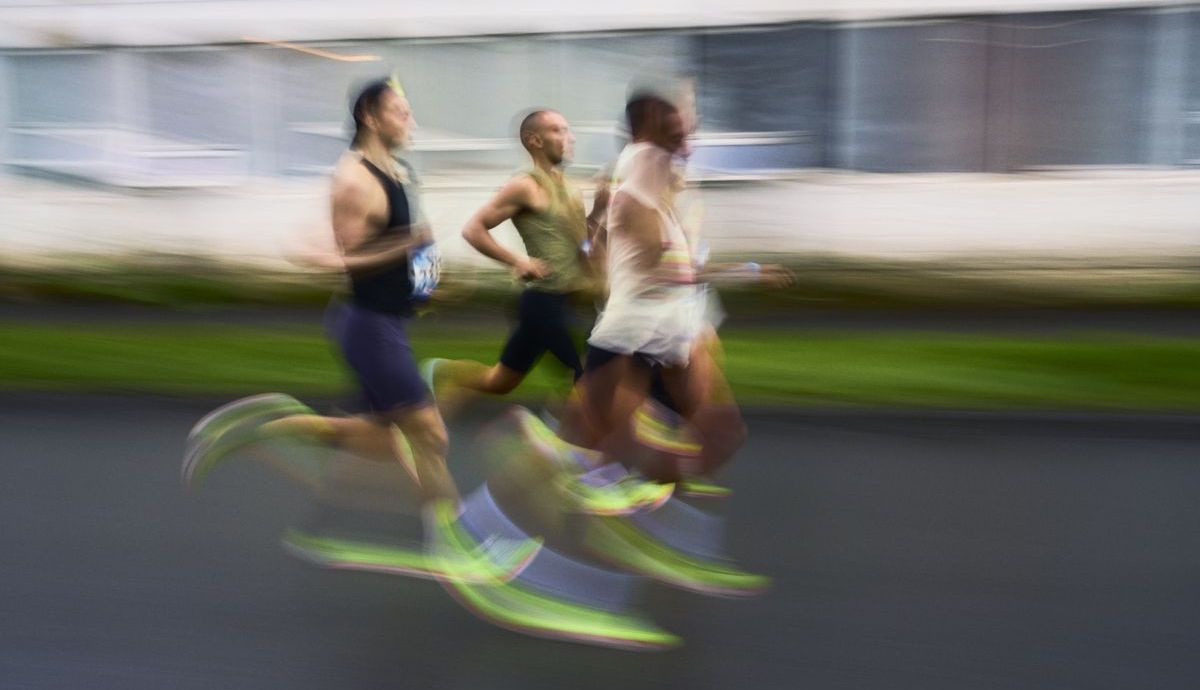
Before delving into the details about the values, you should keep in mind that there is no universally valid optimal value for everyone. Speed, height, technique, and individual biomechanics influence the outcome.
Practical guidance:
So, when should you try to improve it?
The important thing is not to chase a specific figure, but to check whether you are using more energy than necessary to move forward. Excessive vertical oscillation can reflect unnecessary vertical movement, while trying to reduce it artificially can limit your natural momentum.
To interpret it correctly, compare your records under similar conditions: roughly the same pace, similar terrain, and a comparable level of fatigue. Also observe your cadence, tempo, and how you feel. If you can maintain speed with less effort and a smoother stride, you will be improving your running economy, even if vertical oscillation hardly changes.
Practical reference: use 5–10 cm as a starting point; pay attention if you routinely exceed that range, and don’t try to reduce the figure at all costs. The best vertical oscillation is the one that accompanies an efficient, comfortable, and sustainable run.
