
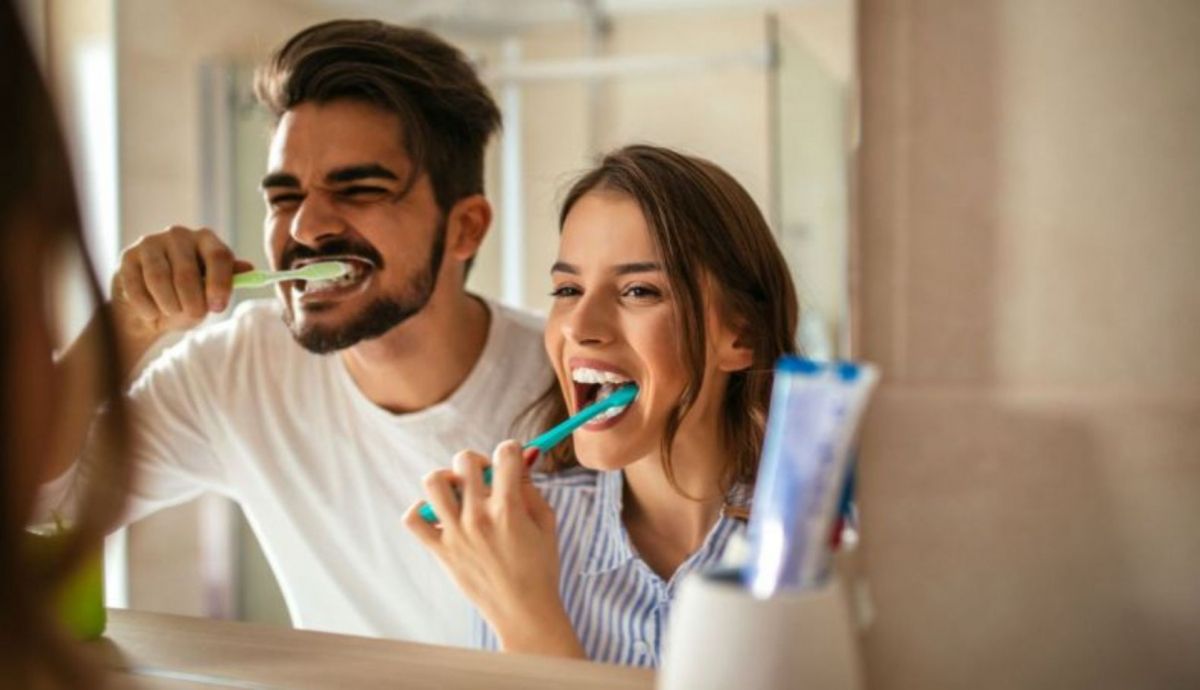
When we go out for a run, we think about the shoes, the pace, the distance, or recovery. However, there is a part of the body that is also very present during exercise and that we don’t always pay attention to: the mouth.
Sporting activity can influence our oral health, especially when certain habits — such as insufficient hydration, frequent consumption of sports drinks, or clenching the teeth during exertion — become habitual.
More effort, less saliva
During a run, especially as intensity increases, it is common to breathe through the mouth, often unconsciously. If we add fluid loss through sweat, this can lead to a decrease in saliva flow and a feeling of dryness.
And there, saliva plays an important role: it helps maintain the balance of the mouth and contributes to protecting the teeth. Therefore, staying properly hydrated during sport is not only important for performance but also for oral health.
The role of gels and sports drinks
Gels, isotonic drinks, and other carbohydrate-rich products can be useful during long or intense trainings, but many contain sugars and present high acidity. Frequent consumption can favor the appearance of cavities and enamel wear.

The key is not necessarily to eliminate them, but to use them properly and avoid turning them into everyday beverages outside of exercise.
Undoubtedly, water will be what helps us rehydrate and restore favorable conditions for the mouth
Do you also clench your teeth when you run?
There is another recurring and equally evident habit: keeping the jaw tense during exercise. Some people clench or grind their teeth without realizing it when exerting themselves, especially at higher intensities. This applies to running, various sports, gym workouts…
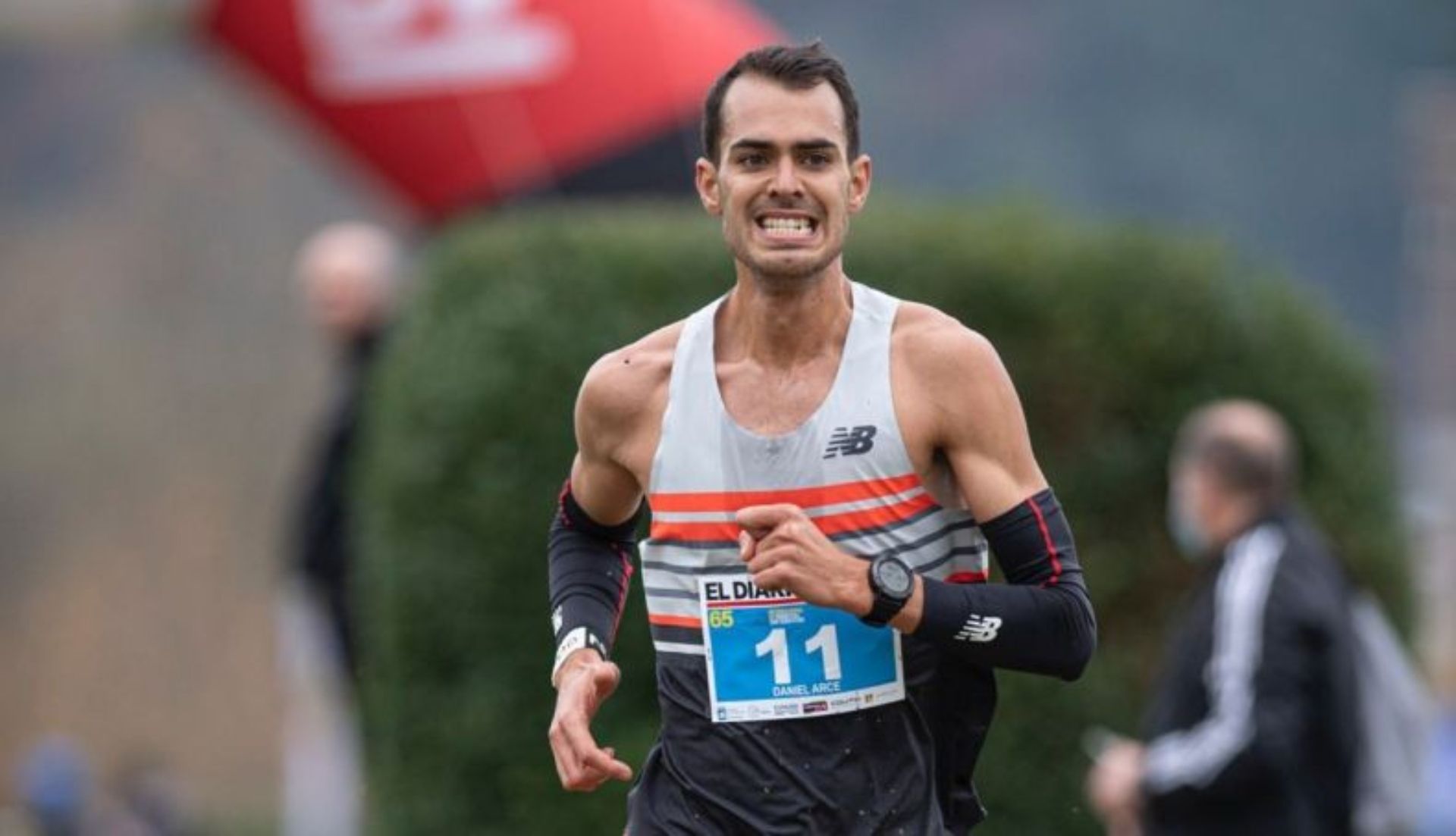
If this tension is repeatedly maintained, it can overwork the muscles and lead to discomfort, headaches, or dental wear.
A good way to start correcting it is to pay attention to the position of the jaw while we run: the lips may be together, but the teeth should not remain clenched
A routine to care for the ‘runner’s smile’
Incorporating oral health into the athletic routine does not require major changes. Some simple recommendations, following the guidance of Dental Institutes, are:
● Maintain good hydration before, during, and after exercise.
● Reserve drinks and sports products for moments when they are truly necessary, and always prioritize water.
● Brush your teeth twice a day and perform proper interdental cleaning.
● Pay attention to jaw tension during training.
● Consult your dentist if you notice sensitivity, dental wear, gum bleeding, or jaw discomfort.
Running is a way to take care of the body, and the mouth is also part of it. Just as we pay attention to nutrition, rest, and recovery, including oral health among our sports habits can help us continue enjoying every activity
