
The 52nd edition will be staged on Sunday, September 27 and will again feature a star-studded lineup. Among the big names, the Kenyan Sebastian Sawe stands out, who just a few months ago, in London, broke the world marathon record with 1 hour 59 minutes and 30 seconds and starts as one of the favorites in sports betting markets. The world record holder Tigist Assefa will also be present.
With the Berlin Marathon 2026 just around the corner, we review three curiosities that help explain why this race has become one of the premier events on the marathon calendar.
1. It Began as a Popular Rural RaceAlthough today it runs through some of Berlin’s most iconic parts, the Berlin Marathon had humbler beginnings. The first edition took place on October 13, 1974 and gathered only 286 runners, who traversed the Grunewald Forest in the city’s western side. The winner was Günter Hallas, with a time of 2h 44:63. It wasn’t until 1981 that the race crossed into the heart of Berlin. That year, 3,486 runners from 30 countries started on the meadow in front of the Reichstag and for the first time covered the 42.195 kilometers along the streets of the German capital.
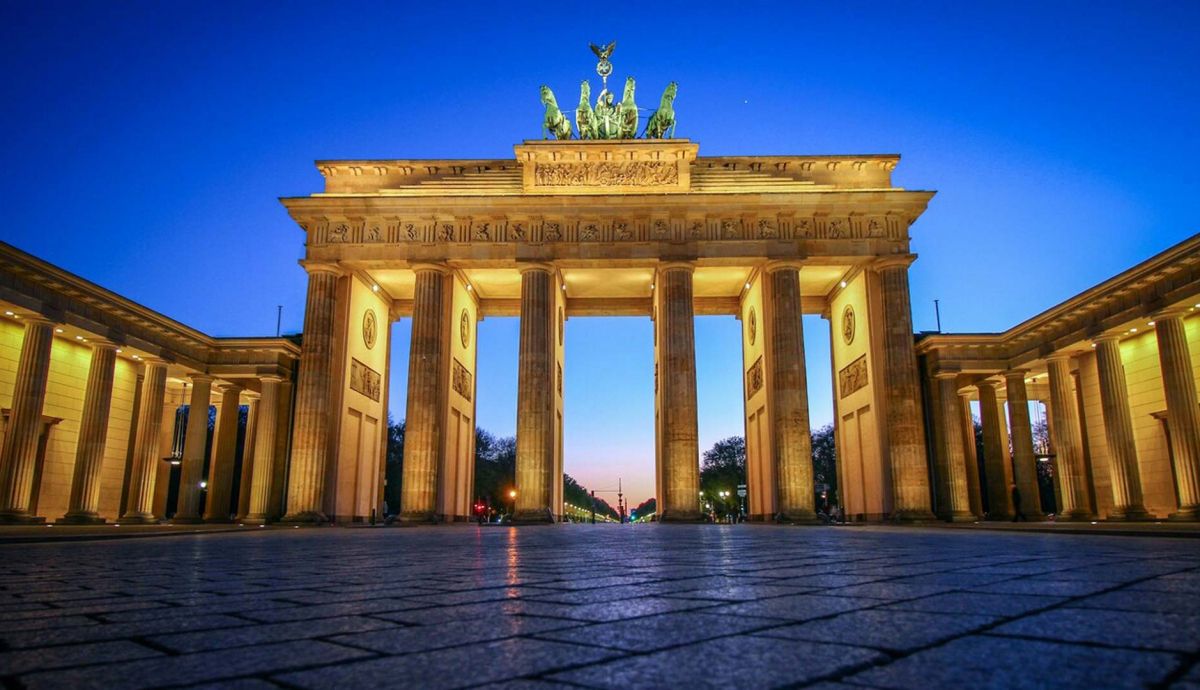
2. The Brandenburg Gate Holds Special SignificanceThe Berlin Marathon has long been closely tied to the history of the German capital. On September 30, 1990, barely ten months after the fall of the Berlin Wall and just three days before Germany’s reunification, the course crossed the Brandenburg Gate for the first time, symbolically linking the city’s former eastern and western sectors. More than 25,000 runners from around the world took part that edition. Since then, the Brandenburg Gate has become one of the race’s major symbols and also the usual finish-line backdrop, though after passing through it there are about 200 meters remaining to reach the finish line on the iconic Straße des 17. Juni.
